Source Vintage Waterproof Flower Shaped Ring for Wedding, Gift, and Decoration
Find and compare 30 listings for the vintage waterproof flower shaped ring, featuring options in 925 sterling silver, copper, and alloy. Buyers can evaluate customization, plating, and MOQs for jewelry making, wholesale distribution, and promotional gifts.
Key considerations
Products List


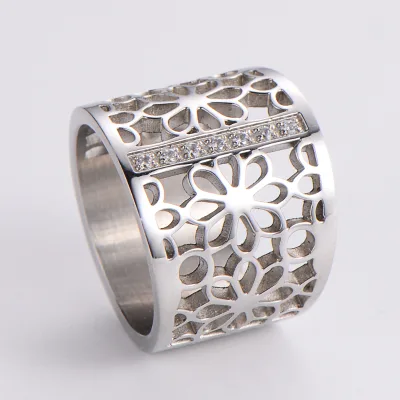


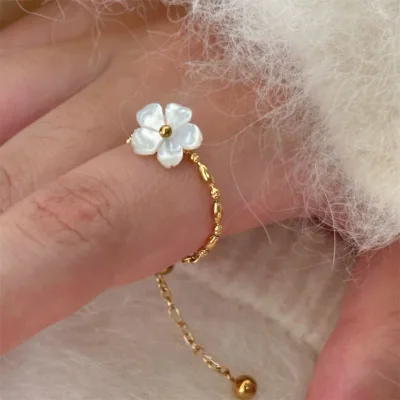


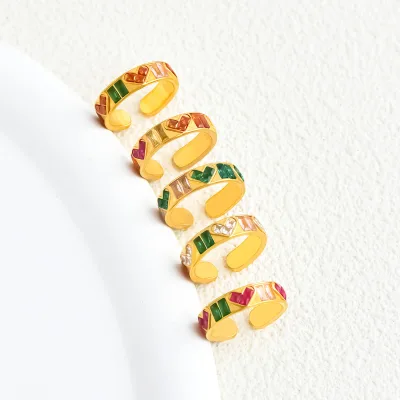
Comprehensive Sourcing Guide
Vintage Waterproof Flower Shaped Ring Sourcing Guide
Sourcing vintage-style waterproof flower rings requires a nuanced understanding of material science, surface engineering, and aesthetic durability. Buyers must distinguish between genuine waterproofing—achieved through robust plating and sealed settings—and superficial water resistance that fails under daily wear. The intersection of "vintage" aesthetics, which often implies intricate detailing and textured surfaces, with "waterproof" functionality creates specific manufacturing challenges. Surface imperfections can trap moisture, leading to oxidation or plating lift, making the verification of fabrication processes critical. This guide outlines the essential verification steps for procurement professionals seeking reliable suppliers who can deliver durable, aesthetically pleasing jewelry that meets modern performance standards while maintaining a classic look.
The procurement strategy must balance artistic design with industrial reliability. Vintage designs often feature complex geometries, such as layered petals or filigree, which increase the surface area exposed to environmental factors. Waterproofing these intricate shapes requires precise electroplating techniques and rigorous quality control to ensure no micro-cracks exist in the coating. Buyers should focus on suppliers who demonstrate expertise in both custom design and advanced finishing processes. Understanding the specific materials used, from base alloys to precious metal platings, is essential for predicting long-term performance and customer satisfaction. This guide provides a framework for evaluating suppliers based on technical capabilities, compliance, and commercial viability.
Product Scope and Observed Listing Signals
The current market landscape for vintage flower rings reveals a diverse range of materials and finishes, with significant variation in claimed durability. Observed listings indicate a price range of $0.15 to $20 USD, reflecting differences in base material quality, plating thickness, and brand positioning. Minimum Order Quantities (MOQs) typically range from 2 to 1000 pieces, with many suppliers offering flexible terms for custom designs. High-confidence data points show that common materials include copper, 925 sterling silver, and alloy bases, each offering distinct advantages in terms of cost, weight, and hypoallergenic properties. Buyers must carefully cross-reference material claims with actual product specifications, as "vintage" styling is often applied to lower-cost alloys unless explicitly stated otherwise.
Listing signals also highlight the importance of customization and OEM/ODM support in this category. Many suppliers offer customization options for size, shape, and plating color, including gold, white, rose gold, and black finishes. The presence of AAA cubic zirconia (CZ) stones in some listings suggests that buyers can opt for enhanced sparkle and perceived value, though this adds complexity to the waterproofing process due to stone setting requirements. Suppliers often specify their main business as rings, bracelets, necklaces, and earrings, indicating a broad capability in jewelry manufacturing. However, buyers should verify if the specific supplier has dedicated expertise in flower-shaped designs, as this requires specialized tooling and design skills to achieve the desired vintage aesthetic without compromising structural integrity.
Technical Specifications to Verify
Verifying the technical specifications of vintage flower rings is paramount to ensuring they meet the "waterproof" claim. The base material significantly impacts durability; copper and alloy bases are common but require robust plating to prevent tarnishing and skin irritation. Sterling silver, often stamped with "925," offers a premium feel but is softer and more prone to scratching, requiring careful handling during electroplating. Buyers should request detailed material certificates and verify the purity of silver, which is typically 92.5%, to ensure compliance with international standards. The fabrication process, including polishing and electroplating, must be thoroughly examined to ensure a smooth, defect-free surface that can withstand exposure to water and sweat.
Plating thickness and type are critical technical factors that determine the longevity of the waterproof finish. Common plating options include rhodium, rose gold, yellow gold, and black finishes, each offering different levels of corrosion resistance. Buyers should inquire about the microns of plating applied, as thicker plating generally provides better protection against wear and tear. The application of AAA CZ stones requires secure setting techniques, such as prong or bezel settings, to prevent water ingress and stone loss. Additionally, the size of the ring, often standardized at 6# or customized, must be accurately measured to ensure a proper fit. Buyers should also verify the weight of the product, as some listings specify standards like 1.91g, which can indicate the density and quality of the material used.
Compliance and Safety Documentation
Compliance with international safety standards is non-negotiable for jewelry procurement, especially for products claiming waterproof durability. Buyers must ensure that suppliers provide documentation verifying the absence of harmful substances such as lead, cadmium, and nickel, which can cause allergic reactions and health issues. The European Union’s REACH regulation and the United States’ Consumer Product Safety Improvement Act (CPSIA) set strict limits on these substances, and suppliers should be able to provide test reports from accredited laboratories to demonstrate compliance. For sterling silver products, verification of the 925 stamp and purity is essential to meet legal labeling requirements in various markets.
In addition to chemical compliance, buyers should assess the supplier’s adherence to quality management systems. Certifications such as ISO 9001 indicate a structured approach to quality control, reducing the risk of defects in mass production. Suppliers should also provide information on their environmental practices, particularly regarding the disposal of plating chemicals and waste materials. This is increasingly important for brands that prioritize sustainability and ethical sourcing. Buyers should request copies of relevant compliance certificates and verify their authenticity with the issuing bodies. Ensuring that the supplier has a robust compliance framework in place helps mitigate legal risks and protects the brand’s reputation in the global market.
Cost Drivers and Commercial Terms
Understanding the cost drivers for vintage waterproof flower rings is essential for accurate budgeting and margin analysis. The primary cost factors include the base material, plating thickness, stone quality, and labor intensity for intricate designs. Copper and alloy bases are more cost-effective than sterling silver, but the latter commands a higher price due to its perceived value and material cost. Plating costs vary based on the type of metal used and the thickness applied, with rhodium and gold plating being more expensive than standard finishes. The inclusion of AAA CZ stones adds to the cost, but also enhances the product’s visual appeal and marketability.
Commercial terms such as MOQ, lead time, and payment methods significantly impact the procurement process. Suppliers often require an MOQ of 20 to 50 pieces per type for custom designs, with higher volumes reducing the unit cost. Lead times typically range from 15 to 20 days after receiving the deposit, but this can vary based on the complexity of the design and the supplier’s production capacity. Payment terms usually include bank transfers, PayPal, or TT, with a deposit required to initiate production. Buyers should negotiate favorable terms, such as flexible MOQs for initial orders or extended payment periods for repeat business, to improve cash flow and reduce financial risk.
Supplier Qualification and Quality Control
Supplier qualification is a critical step in ensuring the reliability and consistency of vintage waterproof flower rings. Buyers should conduct thorough due diligence on potential suppliers, including verifying their business licenses, production facilities, and past performance. Site visits or virtual tours can provide insights into the supplier’s manufacturing capabilities, quality control processes, and overall operational efficiency. Suppliers with a strong track record in OEM/ODM services are often better equipped to handle custom designs and meet specific buyer requirements. Buyers should also assess the supplier’s ability to scale production to meet increasing demand without compromising quality.
Quality control measures must be rigorously enforced throughout the production process. Suppliers should implement strict inspection protocols at each stage, from raw material intake to final packaging. Key quality checks include verifying material purity, plating adhesion, stone setting security, and overall aesthetic consistency. Buyers should request pre-shipment samples to evaluate the final product against their specifications and standards. Additionally, suppliers should provide a clear warranty or return policy for defective items, demonstrating their confidence in product quality. Establishing a strong partnership with a qualified supplier ensures a steady supply of high-quality vintage flower rings that meet buyer expectations.
Long-Term Procurement Checks
Long-term procurement success depends on continuous monitoring and evaluation of supplier performance. Buyers should establish key performance indicators (KPIs) to track metrics such as on-time delivery, product quality, and responsiveness to issues. Regular audits and feedback sessions can help identify areas for improvement and strengthen the supplier relationship. Buyers should also stay informed about market trends and consumer preferences, adjusting their product offerings accordingly. The vintage jewelry market is dynamic, with shifting styles and material preferences, so flexibility and innovation are key to maintaining competitiveness.
Sustainability and ethical sourcing are becoming increasingly important in the jewelry industry. Buyers should prioritize suppliers who demonstrate a commitment to environmental responsibility and ethical labor practices. This includes verifying the source of raw materials, ensuring fair labor conditions, and minimizing environmental impact. By aligning with suppliers who share these values, buyers can enhance their brand’s reputation and appeal to socially conscious consumers. Long-term procurement checks should also include regular reviews of commercial terms and market conditions, ensuring that the procurement strategy remains aligned with business goals and market realities.
FAQs
Can I customize the ring size and design?
Yes, customization is available for size and design. The product supports OEM and custom design manufacture, allowing buyers to specify unique 3D designs or standard sizes like 6# depending on the supplier's capabilities.
What materials are used for these rings?
Rings are crafted from materials such as copper, 925 sterling silver, or alloy. Specific listings indicate options like 925 sterling silver with 92.5% purity or copper with polishing and electroplating processes for durability.
What is the minimum order quantity required?
The minimum order quantity varies by supplier and type, typically ranging from 20 to 50 pieces per type. Some listings specify 20 pieces, while others require 50 pieces per type for standard orders.
How long does delivery take after payment?
Delivery time is generally within 15 to 20 days after receiving the deposit. Sample times may take up to 15 working days, and shipping is handled via carriers like UPS, DHL, or FedEx.
Which plating options are available for the rings?
Available plating options include Rhodium, Rose Gold, Yellow Gold, and Black. These finishes are applied to materials like 925 sterling silver or copper to achieve the desired color and aesthetic for the jewelry.
Where are these rings manufactured?
The rings originate from Guangzhou, China, or other locations within China. Suppliers in this region specialize in fashion jewelry and offer services for wholesalers, distributors, and jewelry makers.